Professional pipe brazing – the solutions for a leaktight connections.

Professional copper pipe brazing and soldering is a crucial process in many industries, including plumbing, heating, and refrigeration. A properly executed joint ensures not only leak tightness but also the durability required to withstand various operating conditions. To achieve excellent results, it is worth focusing on several key aspects.
1. Choosing the right materials
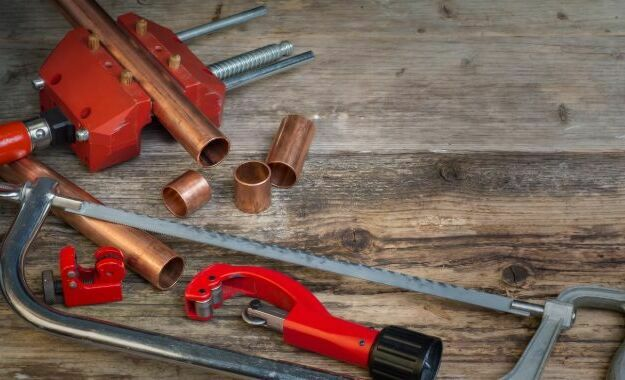
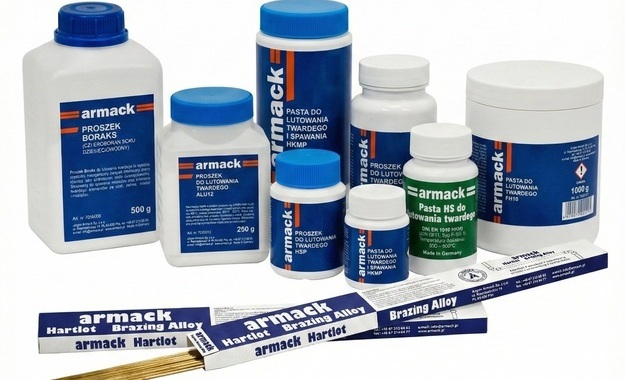
Joining pipes requires the use of appropriate materials: pipes (copper, stainless steel), fittings (most commonly made of copper and its alloys), and the filler metal (solder/brazing alloy). Soft solders are tin-based alloys; hard brazing alloys include copper-phosphorus alloys (with or without silver) and silver-based alloys. It is important that these materials are correctly matched to ensure a strong and leak-tight connection.
2. Surface preparation
Surface preparation is a critical stage that has a massive impact on the quality of the joint. Before starting the heating process, it is essential to thoroughly clean the surfaces of the pipes and fittings. Even minor contaminants, such as rust, oils, or greases, can weaken the joint quality. Using wire brushes, non-metallic cleaning pads, or specialized surface cleaning agents prior to soldering/brazing are essential steps in the process.
3. Working temperature
A vital element of the process is precisely determining and controlling the working temperature. This is the temperature of the joint at which the liquid filler metal wets the surface. When the correct working temperature is achieved, the filler metal applied to the edge of the joint will flow by itself and fill the capillary gap, ensuring a leak-tight connection.
4. Using flux
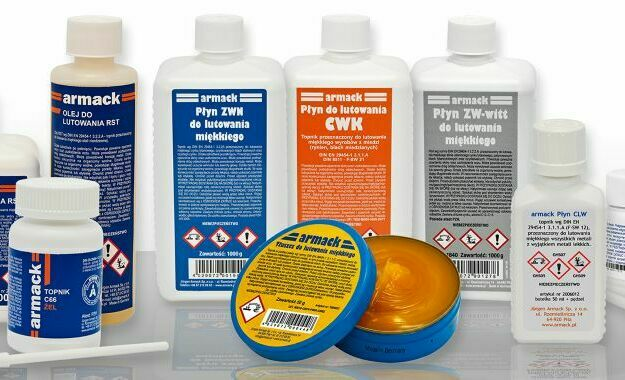
armack Soldering or armack brazing flux is essential to ensure the proper flow of the filler metal. It facilitates the joining of materials and prevents them from oxidizing during heating. Flux can be in the form of a paste or liquid and must be selected according to the type of materials being joined and the specific brazing/soldering technique.
5. Brazing/Soldering technique
Joining pipes requires precise execution. Pipes must be heated evenly, avoiding overheating. The heat source is most commonly a gas flame that heats the joint to a specific temperature, achieved using oxy-propane, oxy-acetylene, or air-propane torches.
6. Leak testing
All joints should be subjected to a pressure test or leak test to ensure there are no leaks. This is a crucial step that guarantees the system is ready for subsequent operation.
7. Occupational safety
Professional brazing and soldering require not only technical skills but also strict adherence to safety rules. It is essential to remember appropriate personal protective equipment (PPE), such as protective gloves and safety glasses, and to ensure adequate ventilation in the workplace to avoid inhaling harmful fumes.
8. Summary
Professional pipe joining is a process that requires precision, experience, and knowledge of the appropriate materials and techniques. A correctly executed joint ensures the reliability and longevity of the installation. Therefore, it is worth investing in high-quality tools and continuously improving one's skills in this field.